How the Industry Reinvents Itself Every Year
Fashion operates on a predictable yet endlessly inventive timeline. Each year brings new silhouettes, revived classics, unexpected collaborations, and cultural shifts that ripple through runways and retail alike. While the industry is always in motion, several key pillars define the annual fashion cycle.
🌆 2. Global Fashion Weeks
The “Big Four” fashion weeks form the backbone of the annual schedule:
- New York Fashion Week – sporty, commercial, trend‑driven
- London Fashion Week – experimental, avant‑garde
- Milan Fashion Week – luxury craftsmanship, heritage houses
- Paris Fashion Week – haute couture, global prestige
These events not only showcase new collections but also influence media coverage, celebrity styling, and retail forecasting.
🗓️ 1. The Seasonal Collections
The fashion year is anchored by four major seasons:
- Spring/Summer (SS)
- Fall/Winter (FW)
- Resort/Cruise
- Pre-Fall
Designers present their collections months in advance, allowing buyers, editors, and stylists to prepare for what will eventually reach stores. These shows set the tone for the year’s aesthetics: color palettes, fabrics, silhouettes, and themes.
🛍️ 4. Retail, Runway, and the Rise of “See Now, Buy Now”
Traditional fashion once required months between runway debut and store arrival. Today, many brands experiment with:
- Immediate drops
- Limited capsules
- Collabs with artists, celebrities, and even gamers
📱 3. Digital Influence and Trend Acceleration
Social platforms {especially Instagram, TikTok, and Pinterest} have compressed the trend cycle dramatically. A look can go viral in hours, and micro‑trends can rise and fall within a single season. Influencers, stylists, and digital creators now play roles once reserved for magazine editors.
📚 Fashion Directory
Major Fashion Sites to Explore Trends, News, and Collections
Below is a curated directory of influential fashion platforms. These links help readers stay connected to the pulse of the industry.
| Category | Site | Description |
|---|---|---|
| Fashion News & Editorial | Vogue – https://www.vogue.com | Global authority on fashion, culture, and runway coverage |
| Harper’s Bazaar – https://www.harpersbazaar.com | Editorials, beauty, celebrity style | |
| Elle – https://www.elle.com | Fashion news, trends, and lifestyle | |
| Runway & Designer Collections | Business of Fashion – https://www.businessoffashion.com | Industry analysis, designer insights, global fashion business |
| Fashionista – https://fashionista.com | Runway reviews, industry news, career resources | |
| NowFashion – https://www.nowfashion.com | Real‑time runway photography | |
| Shopping & Trend Discovery | Net‑a‑Porter – https://www.net-a-porter.com | Luxury e‑commerce with curated designer selections |
| Farfetch – https://www.farfetch.com | Global marketplace for boutiques and designer brands | |
| SSENSE – https://www.ssense.com | High‑fashion meets streetwear | |
| Street Style & Culture | Hypebeast – https://hypebeast.com | Streetwear, sneakers, and contemporary culture |
| Highsnobiety – https://www.highsnobiety.com | Fashion, lifestyle, and trend commentary | |
| Sustainability | Good On You – https://goodonyou.eco | Ethical brand ratings and sustainability insights |
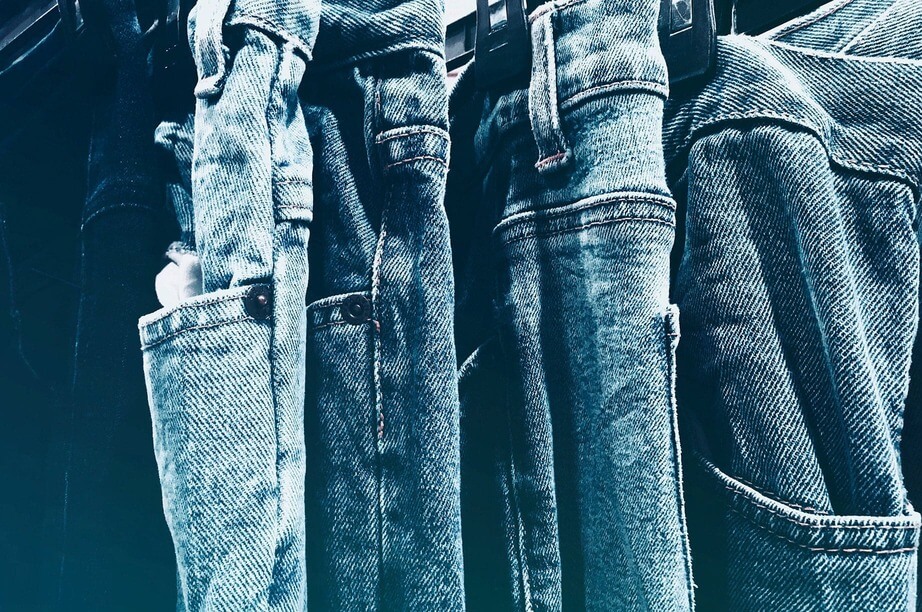
The Enduring Appeal of Denim Shorts
Denim shorts have secured their place as a timeless wardrobe essential, evolving from practical workwear into a global fashion staple. Their appeal lies in their versatility: they can be rugged or refined, casual or elevated, nostalgic or modern. Every year, designers reinterpret denim shorts through new silhouettes, washes, and cultural influences, ensuring they remain relevant across generations and style identities.
A Brief History of a Casual Icon
Denim itself has deep roots in durability and utility, originally crafted for miners and laborers in the late 19th century. Shorts made from denim emerged much later, gaining popularity in the mid‑20th century as youth culture embraced more relaxed, rebellious styles. By the 1970s and 1980s, denim shorts became synonymous with music festivals, skate culture, and summer freedom. Today, they’re worn year‑round in many parts of the world, layered with tights, boots, oversized sweaters, or breezy tanks depending on the season.
Styles for Every Aesthetic
One of the reasons denim shorts endure is the sheer variety of silhouettes available. High‑waisted cuts offer a vintage‑inspired look that flatters the waistline and pairs well with tucked‑in tops. Distressed or frayed‑hem shorts channel a laid‑back, lived‑in vibe, perfect for beach days or outdoor concerts. Longer Bermuda‑style denim shorts have made a strong comeback, offering a more tailored, fashion‑forward option that works with blazers or structured tops. On the opposite end of the spectrum, ultra‑short “cutoffs” remain a summer classic, often repurposed from old jeans for a DIY aesthetic.
Washes, Textures, and Details
Denim shorts come alive through their finishes. Light‑wash denim evokes a sun‑bleached, coastal feel, while dark indigo adds polish and sophistication. Black denim shorts offer an edgier, urban look that transitions easily from day to night. Beyond color, details like patchwork, embroidery, studs, and contrast stitching allow wearers to express individuality. Stretch denim provides comfort and flexibility, while rigid cotton denim offers structure and a more traditional silhouette.
🌱 5. Sustainability and Ethical Innovation
The fashion industry’s annual cycle is no longer defined solely by aesthetics or seasonal trends. Increasingly, it’s shaped by urgent conversations about environmental impact, labor ethics, and long‑term responsibility. Sustainability has shifted from a marketing buzzword to a core expectation, influencing everything from design philosophy to supply chain logistics.
Circular Fashion: Designing for Longevity and Reuse
Circular fashion aims to break the traditional “take‑make‑waste” model. Instead of garments ending up in landfills after a short lifecycle, circular systems encourage:
- Designing for durability so pieces last longer and resist fast‑fashion turnover
- Modular or repairable construction, allowing components to be replaced or upgraded
- Recycling infrastructure, where fibers can be broken down and re‑spun into new textiles
- Take‑back programs from brands that reclaim old garments for reuse or recycling
Major brands are experimenting with circularity, but smaller independent labels often lead the way with innovative, low‑waste production methods.
Upcycling: Creativity Meets Conservation
Upcycling has become a powerful creative movement. Instead of sourcing new materials, designers transform existing garments, deadstock fabrics, or even industrial waste into new, high‑value pieces. This approach:
- Reduces textile waste
- Encourages one‑of‑a‑kind craftsmanship
- Allows designers to experiment with unconventional materials
- Appeals to consumers seeking unique, story‑driven fashion
Upcycling also aligns with the growing resale and vintage markets, which have become major forces in the annual fashion economy.
Eco‑Friendly Materials: Innovation in Textiles
Material science is one of the fastest‑advancing areas in sustainable fashion. Each year introduces new or improved alternatives to traditional textiles:
- Organic and regenerative cotton grown without harmful chemicals
- Hemp and linen, which require less water and fewer pesticides
- Tencel and modal, produced from sustainably managed wood pulp
- Recycled synthetics, such as polyester made from plastic bottles
- Bio‑based materials, including mushroom leather, pineapple fiber (Piñatex), and lab‑grown textiles
These innovations help reduce reliance on petroleum‑based fabrics and lower the industry’s carbon footprint.
Supply Chain Transparency: Accountability from Start to Finish
Consumers and watchdog organizations increasingly demand visibility into how garments are made. Transparency efforts include:
- Traceable sourcing, where brands disclose where fibers, dyes, and trims originate
- Fair labor practices, ensuring safe working conditions and living wages
- Environmental reporting, such as carbon accounting and water‑use metrics
- Certifications, including Fair Trade, GOTS, and B‑Corp
Digital tools like blockchain and QR‑coded garment tags are making it easier for shoppers to verify a product’s journey.
The Consumer Shift: Responsibility as a Standard
Today’s shoppers {especially younger generations} expect brands to balance creativity with ethics. This shift influences:
- Purchasing decisions
- Brand loyalty
- Social media discourse
- The rise of resale, rental, and repair services